What fish can I catch in Portugal?
Common mainland sea fish, their Portuguese names, where to find them and what to check before keeping your catch.
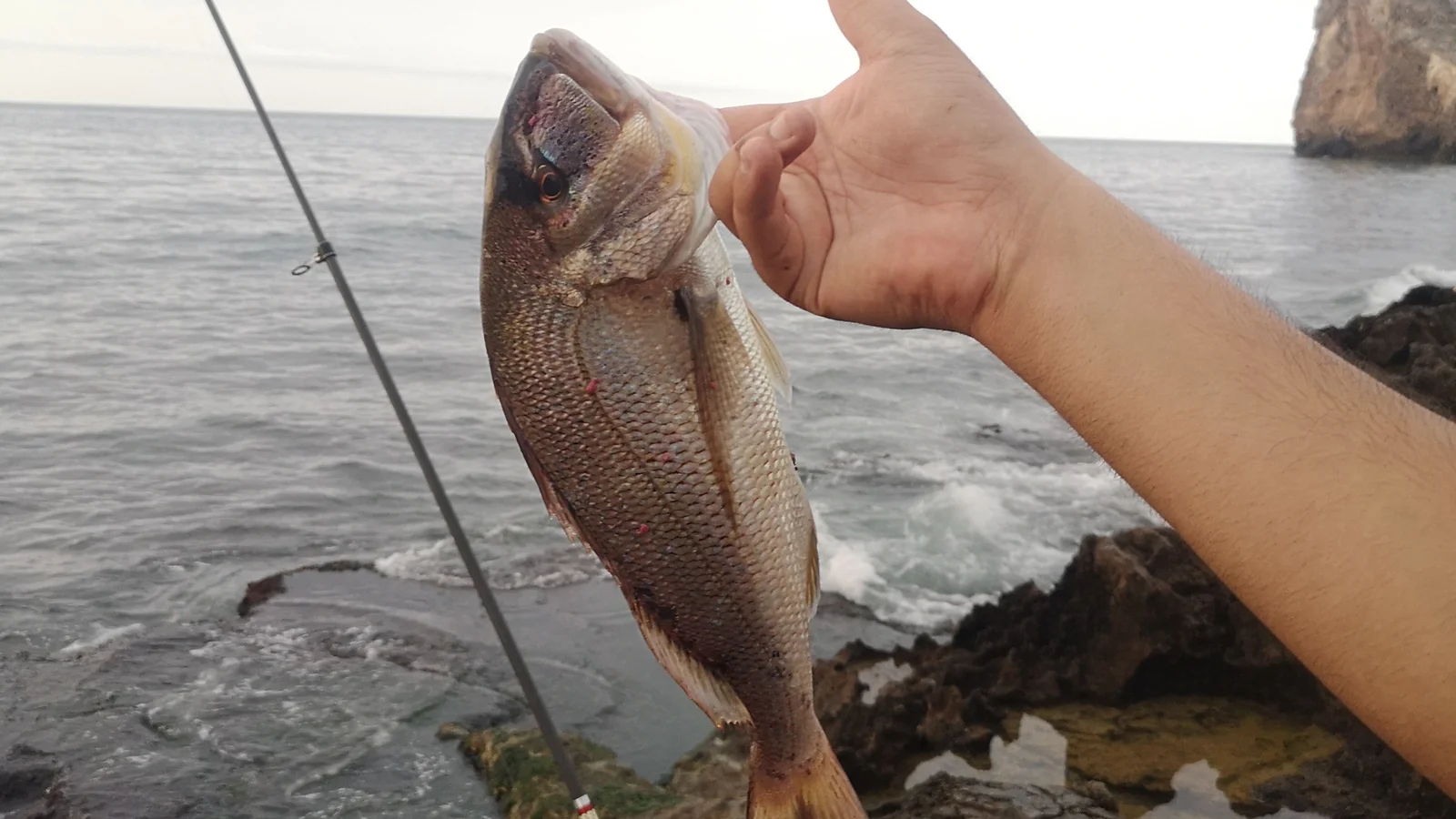
Sea bass, sea bream and mackerel are among the fish you can encounter along Portugal’s mainland coast. What you catch depends on the habitat, your method and the conditions that day. This guide introduces useful English and Portuguese names, with a starting point for shore, boat and underwater fishing. It covers sea fishing on the mainland; freshwater, Madeira and the Azores need separate planning.
Checked against official guidance on 2 Oct 2026
Fish you can catch from shore
Start with the ground in front of you: a sandy beach, a rocky shoreline and an estuary offer different habitats. These are places where the fish live, not confirmation that fishing is permitted at a particular spot.
| Fish | Portuguese name | Habitat to look for |
|---|---|---|
| European sea bass (Dicentrarchus labrax) | Robalo-legítimo | Shallow coastal water, estuaries and lagoons; both sandy and rocky ground. |
| White sea bream (Diplodus sargus) | Sargo-legítimo | Rocky reefs and the surf zone. |
| Gilthead sea bream (Sparus aurata) | Dourada | Sandy bottoms, seagrass beds and coastal lagoons or estuaries. |
| Striped sea bream (Lithognathus mormyrus) | Ferreira | Sand and mud bottoms, including estuaries. |
| Meagre (Argyrosomus regius) | Corvina-legítima | Inshore waters; younger fish also use estuaries and lagoons. |
Robalo is a useful name to learn if you fish with lures. For bottom fishing, knowing whether you are over sand or rock helps you narrow down the bream species you might encounter. Corvina can grow very large: treat it as a target requiring suitable tackle and local knowledge, rather than an expected first catch.
Habitat references: FishBase’s sea bass, white sea bream, gilthead sea bream, striped sea bream and meagre profiles.
Fish you can catch from a boat
A boat gives you access to deeper ground and fish moving through open water. Ask what kind of trip is planned: fishing over the bottom and looking for shoals call for different tackle and expectations.
| Fish | Portuguese name | Where it fits |
|---|---|---|
| Atlantic chub mackerel (Scomber colias) | Cavala | A fish of the coastal water column, feeding on plankton and small animals. |
| Atlantic horse mackerel (Trachurus trachurus) | Carapau | Forms coastal shoals; a different fish from cavala despite the English name. |
| Red porgy (Pagrus pagrus) | Pargo-legítimo | Lives over rock, rubble and sand; an example of a bottom-fishing target. |
Sea bass, dourada and other bream can also be caught from boats. The lists overlap: they describe useful ways to plan, not species reserved for one fishing method. See FishBase’s cavala, carapau and pargo profiles.
Do not assume a normal boat trip includes permission to keep tuna. Bluefin tuna has a separate authorisation regime for tourist-fishing boats. Confirm the species, operator’s authorisation and current rules before booking a trip that advertises it. DGRM’s species restrictions.
Fish for spearfishing
On permitted coastal ground, you may encounter sargos, dourada and robalo. Underwater, you must identify the fish and judge whether it is large enough before taking a shot. If either is uncertain, let it pass.
Do not target groupers of the genus Epinephelus: they are prohibited in recreational sea fishing. A fish sheltering in a hole is not automatically a legal target. Check the DGRM prohibited-species list and our spearfishing guide for the licence, daylight, marker and area rules.
When are these fish around?
There is no single best month for the whole Portuguese coast. Species move between habitats, and conditions on the exposed west coast can differ from those on the south coast. Use seasonal biology as a starting point, then ask locally what is being caught on the ground you intend to fish.
- Dourada: spring can bring fish into brackish coastal lagoons and estuaries. That is a habitat movement, not a guarantee of catches or permission to fish there. Species profile.
- Corvina: adults gather inshore to spawn in spring and summer, and movements respond to water temperature. Check applicable closed seasons before targeting them. Species profile.
- Sargo: rocky habitat is a useful starting point, but local species closures can rule out a trip even when fish are present. Check the exact species and area.
- Cavala and carapau: ask whether fish are currently within reach from your chosen shore spot or boat route. Their presence off the coast does not mean a shoal will be within casting distance.
A spawning season and a legal open season are different things. Use our protected areas and closed seasons guide and DGRM’s current closures before choosing your target. Never choose an exposed rock or cliff just because rough water might hold fish.
Which fish must go back?
Return undersized fish and accidental catches of prohibited species immediately. Examples of prohibited fish include European eel, Epinephelus groupers, ocean sunfish and undulate ray; several sharks are also protected. This is not the full list. Check DGRM’s species rules.
Common names are not enough to choose a minimum size. ‘Sargo’ covers several species, and ‘sea bream’ covers even more. Match the scientific name to the minimum-size table before keeping a fish. If you cannot confidently identify it, release it; a short description or an app suggestion is not a reliable identification on its own.
European sea bass is also subject to electronic catch reporting through RecFishing. Check DGRM’s reporting guidance when preparing your trip.
Before you cast
Choose a permitted spot and a small shortlist of species, then learn their names and identification features. Carry a measure and check the size, catch-limit and closure rules before deciding what to keep. Your licence must cover your fishing method; estuaries and river mouths also need a check of which licensing regime applies.